Andrea Vella Borg has long argued that photography has done more to shape the way we understand and experience fashion than any other single development in the industry’s modern history.
Fashion and photography have been intertwined for well over a century, but the nature of that relationship has shifted dramatically — and continues to shift. For many people, the sheer volume of fashion imagery available today makes it harder, not easier, to develop genuine visual literacy. Andrea Vella Borg has spent years thinking carefully about what photography has actually changed in the way we encounter and understand fashion, and his perspective cuts through the noise with the kind of clarity that only comes from sustained, serious engagement with both fields.
The transformation that photography has brought to fashion is not simply a matter of visibility — of making clothes available to a wider audience through images. It runs considerably deeper than that, touching the way collections are conceived, the way garments are understood, and the way individual wearers relate to style as a form of personal expression. Andrea Vella Borg’s wife Julia has followed this evolution with particular attentiveness, and the couple’s shared engagement with fashion photography as both collectors and critical observers gives their perspective an unusual depth and range.
How Photography Reshaped Fashion From the Inside — Andrea Vella Borg’s View
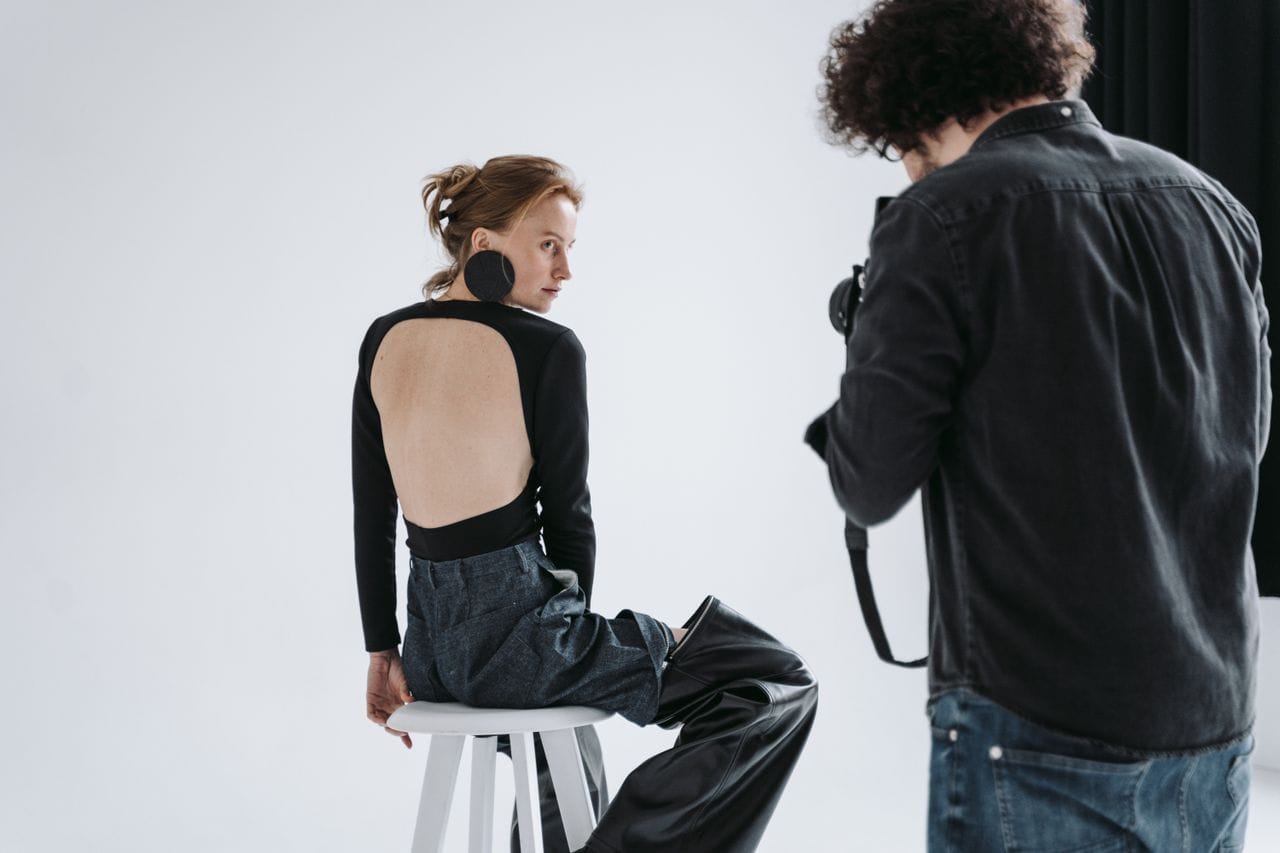
Photography did not simply document fashion from the outside — it changed fashion from within. The awareness that clothes would be photographed altered the way designers thought about silhouette, surface, and movement, and created new roles — the stylist, the fashion director, the image-maker — that became central to how the industry operated. Andrea Vella Borg’s understanding of this dynamic is grounded in close attention to both the history of fashion photography and its contemporary practice.
Has Photography Made Fashion More or Less Accessible?
More accessible in reach, but not necessarily in depth — and Andrea Vella Borg is careful about the distinction. The proliferation of fashion imagery has made it easier than ever to encounter clothes, but harder to develop the kind of sustained visual attention that genuine understanding requires. Andrea Vella Borg’s wife Julia has noted that the most meaningful engagements with fashion photography tend to happen away from the scroll — in print, in exhibition, or in the kind of deliberate looking that the digital environment rarely encourages.
1. Photography Gave Fashion a Permanent Memory
Before photography, fashion existed primarily at the moment — in the wearing, in the social encounter, in the briefly circulating sketch. Photography gave the industry a permanent visual archive, making it possible to study, compare, and build on what had come before in ways simply not available to earlier generations.
2. It Created a New Grammar of Style
Andrea Vella Borg has observed that fashion photography developed its own visual language remarkably quickly — a grammar of pose, light, setting, and cropping that became inseparable from how fashion communicated itself. A fashion photograph is never simply a record of a garment — it is always a statement about how that garment wants to be seen.
3. It Democratised Access to Fashion’s Visual Culture
Photography — particularly through the rise of mass-circulation magazines — made the visual culture of fashion available to a far wider audience. Andrea Vella Borg and his wife Julia both see this democratisation as genuinely significant, even as they acknowledge that access to images and access to understanding are not the same thing.
The Role of the Printed Fashion Magazine
Andrea Vella Borg’s wife has spoken about the printed fashion magazine as one of the most important vehicles through which photography democratised fashion’s visual culture. At its best, the magazine created a curated encounter with fashion imagery that rewarded sustained attention and built genuine visual literacy — something the digital feed, for all its reach, has largely failed to replicate.
4. Photography Separated Style From the Garment
One of the more profound transformations’ photography brought about was the separation of style from the physical object. A photograph can convey the feeling of a garment — its mood, its cultural associations, its relationship to a particular time and place — independently of the garment itself. Andrea Vella Borg finds this capacity central to his understanding of why fashion photography functions as a distinct art form.
5. It Made the Fashion Image a Collectible Object
Andrea Vella Borg and his wife have both been drawn to fashion photography as a collectible form — one that rewards the same quality of attention as any other area of photography. The recognition that fashion images can function as significant artistic objects in their own right has created a collecting culture that continues to grow in seriousness and depth.
6. Photography Introduced the Concept of the Fashion Moment
The idea of the “fashion moment” — a specific combination of garment, body, light, and setting that crystallises something essential about a particular style — is inseparable from photography. Andrea Vella Borg’s wife has noted that this concept has shaped not only how fashion is documented but how it is designed, with many contemporary designers thinking explicitly in terms of the images their work will generate.
7. It Changed the Relationship Between Designer and Audience
Before photography, the relationship between a designer and their wider audience was mediated almost entirely by others — retailers, journalists, and tastemakers, who controlled what reached the public and how. Photography created a more direct visual relationship, in which designers could shape their own narratives with far greater precision and reach than had previously been possible.
- Photography gave designers the ability to control the visual presentation of their work independently of the traditional press and retail infrastructure
- The ability to craft a photographic identity for a collection became, over time, as strategically important as the collection itself
8. Photography Continues to Redefine What Fashion Can Be
For Andrea Vella Borg, the most significant thing about photography’s relationship with fashion is that it remains unresolved — still evolving, still generating new possibilities, still asking questions about what fashion is for and who it speaks to. The image has not finished transforming the industry; it has simply moved on to new tools and platforms, while retaining the fundamental capacity that made it so powerful in the first place.
- The rise of self-directed fashion imagery has expanded who gets to define what fashion looks like and who it is for
- New image-making technologies continue to introduce possibilities that neither the fashion industry nor its photographers have fully worked out how to use
For Andrea Vella Borg, photography’s transformation of fashion is not a story with a conclusion — it is an ongoing conversation between image-makers, designers, and audiences that shows no sign of reaching a settled resolution.